
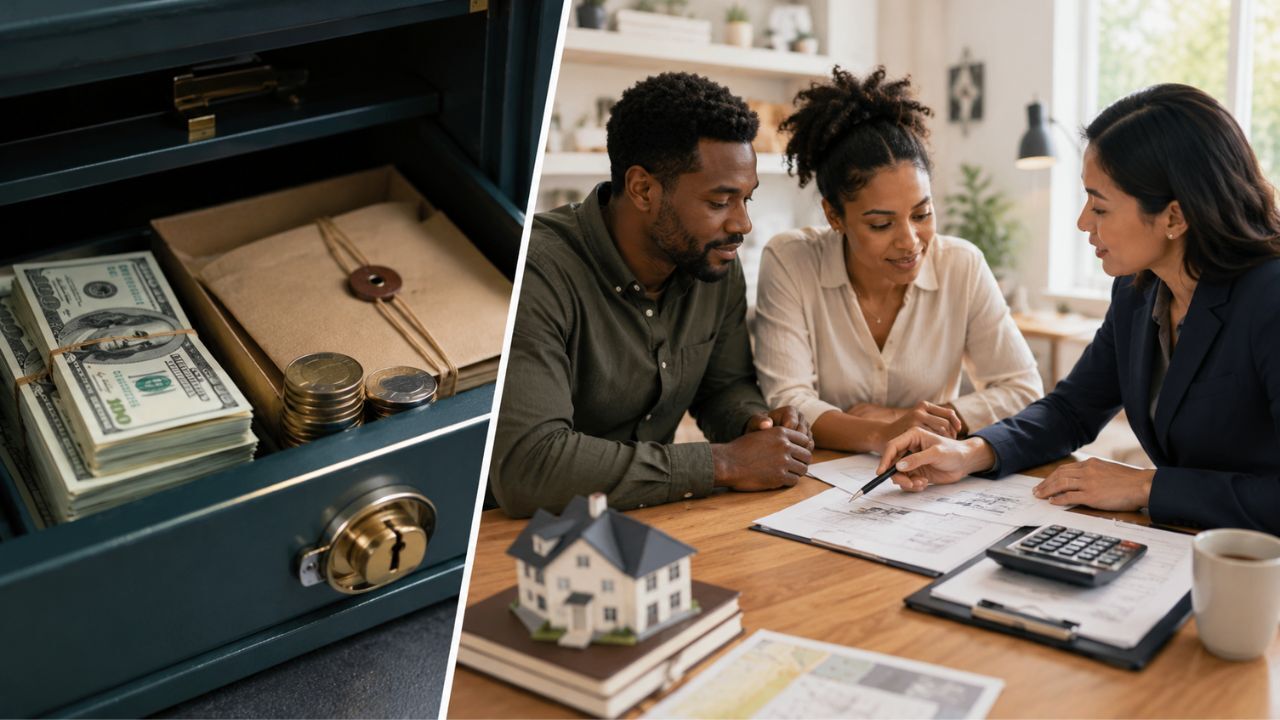
 Many buyers focus heavily on saving for the down payment. That is important, but it is not the only money that matters when buying a home. Cash reserves can be just as important because they help protect you after closing. A strong home purchase plan should include both the money needed to buy the home and the money needed to feel secure once you own it.
What Reserves Mean
Cash reserves are funds left over after your down payment and closing costs are paid. They may be in savings, checking, or other eligible accounts depending on the loan program. These funds show that you have a cushion beyond the transaction itself. They can also help you handle the first months of homeownership with more confidence.
Homeownership Comes With Surprises
Even a well-inspected home can come with unexpected costs. Appliances break, utilities may be higher than expected, furniture may be needed, and small repairs can add up quickly. Moving itself can also cost more than buyers expect. Having reserves can make those expenses less stressful.
A Bigger Down Payment Is Not Always Better
Some buyers want to put every available dollar into the down payment. That may lower the loan amount or monthly payment, but it can leave them with little cash afterward. In some cases, keeping more money in reserve may create a healthier financial position than using all available funds upfront.
Loan Programs May View Reserves Differently
Some mortgage programs require reserves, while others may not. Even when reserves are not required, they can still strengthen your overall comfort level. Your mortgage originator can help you compare scenarios with different down payment amounts and remaining cash after closing.
Confidence After Closing Matters
Buying a home should not leave you feeling financially empty. The goal is to get approved and close. The goal is to move in with enough stability to handle normal life. A good mortgage plan should account for your payment, your savings, and your ability to manage the unexpected.
Your down payment helps you buy the home. Your reserves help you keep breathing after you get the keys. Both deserve attention before you make an offer.

